Snake Plant Styling: How to Make Your TV Stand Feel Like a Living Room (Without the Pet Danger)
You’ve finally settled into your new living room. The TV’s mounted, the couch is comfy, and you’ve arranged your favorite books and a few decor pieces on the stand. But something’s still missing—a touch of life that doesn’t feel like an afterthought, and crucially, something that won’t send your curious cat into a panic. You’ve seen those glossy magazines with fiddle leaf figs draped over media consoles, but you’ve also heard horror stories about plants like that being toxic to pets. You’re not ready to gamble with your furry family member’s health. Enter the snake plant: the quiet hero of pet-friendly, low-maintenance, and effortlessly stylish living spaces.
We’ve all been there—trying to make a TV stand feel intentional, not like a cluttered catch-all. But snake plants (Sansevieria) aren’t just safe; they’re practically designed for this spot. Their sculptural form adds height and texture without demanding constant attention. They thrive in the low-to-moderate light most TV stands get (often near a window or under a ceiling light), and they forgive occasional forgetfulness. Plus, they’re non-toxic to cats and dogs, according to the ASPCA. No more anxious glances at your plant while your cat naps nearby. Let’s make that TV stand feel like part of your home, not just a functional zone.
Why Snake Plants Beat the Trendy Fiddle Leaf for Your TV Stand
Most people grab the first “easy” plant they see—a peace lily, maybe—and place it on their TV stand. Then they panic when it droops, or worse, when their dog licks the leaves and gets sick. Snake plants avoid both pitfalls. They’re not just tolerant of low light; they prefer it. They handle the dry air from heating vents better than most tropicals. And they’re famously resilient. While a peace lily might wilt dramatically with a missed watering, a snake plant just sits there, waiting patiently for you to remember. This isn’t just about safety; it’s about realistic styling. You want a plant that enhances your space without demanding your full-time attention, especially when you’re already juggling life.
The Drainage Myth That’s Killing Your Plant (and How to Fix It)
Here’s what most people miss: snake plants need drainage, but it’s not the ceramic pot you’re using. You’ve seen the “drainage hole” myth repeated everywhere—put a stone in the bottom, or use a liner. This is a trap. Snake plants hate sitting in water. When you put them in a pot with no drainage (or a liner that traps moisture), the roots suffocate. Within weeks, you’ll see yellowing leaves or a mushy base. Even if you water sparingly, the lack of airflow in the soil causes root rot.
The fix? Use a pot with holes. Not a fancy one—just a standard pot that lets excess water escape. If you love the look of a ceramic cachepot (which we do), place the snake plant in its drainage pot, then nest it inside the cachepot. This way, the water drains out of the drainage pot, not into the outer pot. It’s simple, it works, and it’s the only way to prevent that slow, silent rot. We’ve seen too many snake plants fail because people prioritized “aesthetic” over “actual plant health.”
TV Stand Styling: Less Clutter, More Presence
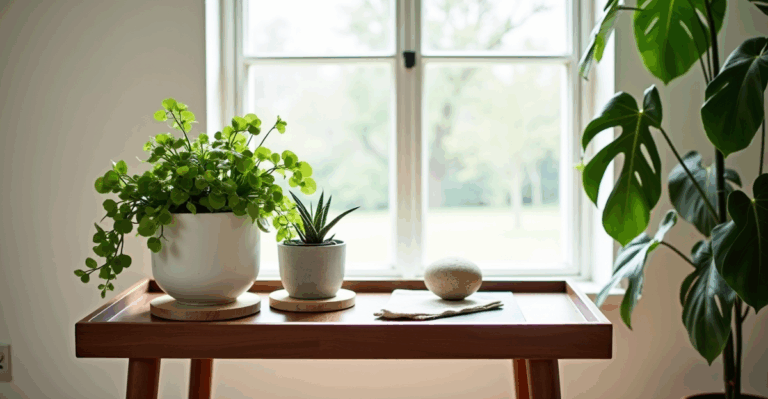
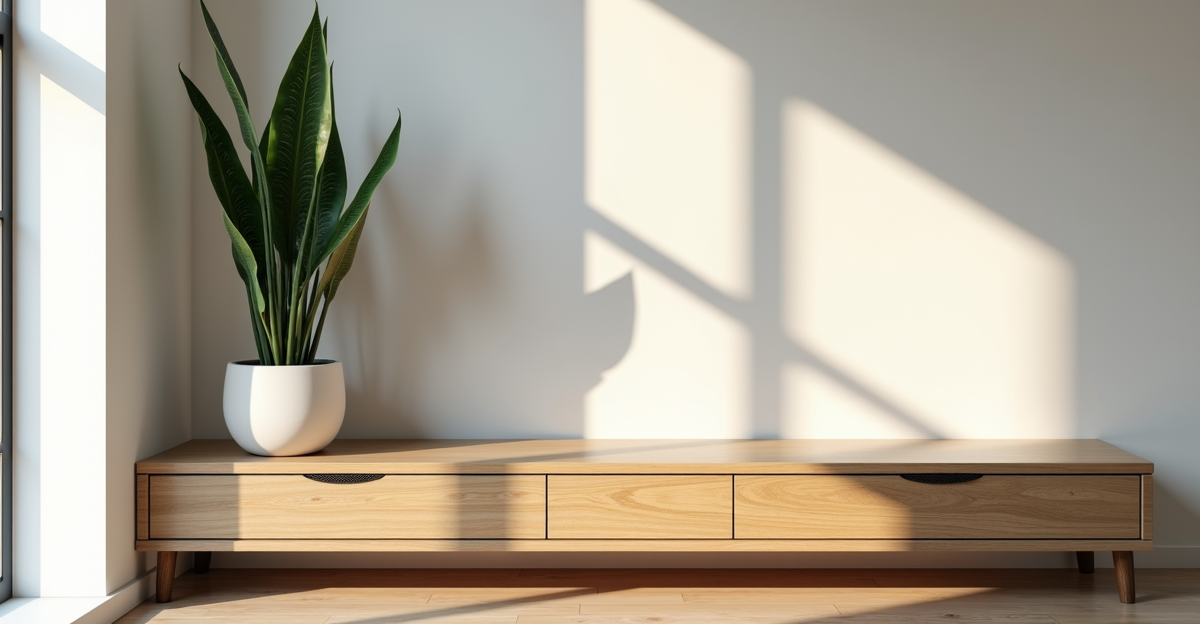
Styling a TV stand with a snake plant isn’t about plopping it in the center and calling it a day. It’s about creating a conversation. Place the snake plant slightly off-center, maybe at the end of the stand, to balance the visual weight of the TV. Pair it with two small, complementary pieces: a ceramic bookend, a single smooth stone, or a tiny vintage vase. The key is negative space. Don’t overcrowd it. A snake plant’s height (3–4 feet is common) creates vertical interest above the TV, drawing the eye up and making the space feel larger.
Real-life example: In a north-facing living room with low natural light (common for TV stands), we used a 10-inch snake plant in a drainage pot. We placed it at the back-left corner of the stand, next to a stack of thick coffee table books and a small, matte-black ceramic bowl. The books filled the lower space, the snake plant added height, and the bowl held a single dried flower stem. The result? It felt intentional, not accidental. The plant thrived (with a bright, indirect window 6 feet away), and our cat just sniffed it before moving on.
Seasonal Shifts: What Your Snake Plant Needs When You Flip the Heat
Snake plants aren’t static. In winter, they slow down. The dry heat from radiators or forced air reduces humidity and can cause leaves to dry at the tips. In summer, they might grow a little faster, but the air is often more humid, which can increase the risk of overwatering if you don’t adjust.
Here’s what to do: In winter, reduce watering frequency—wait until the top 2–3 inches of soil are dry (use your finger to check). In summer, check more often, but still err on the side of dry. If you see brown tips, try a gentle misting (not soaking) on the leaves in the morning to increase humidity without saturating the soil. Also, flush the soil every 2–3 months with a slow stream of water to wash out mineral buildup from tap water. This prevents salt from accumulating in the soil and causing leaf burn.
When to Skip the Liner (and Why Your Pot Needs Air)
You’ve seen those cute “liner” setups—where you put the plant in a small pot inside a decorative pot without drainage. This works only if the liner pot has drainage holes (which most don’t). For snake plants, it’s a recipe for disaster. The soil stays damp, and the roots rot. Even if you water very sparingly, the lack of airflow means moisture sits. In our shop, we’ve seen dozens of snake plants die this way.
The solution? Use a pot with drainage holes first. Then, if you want a cachepot, choose one with a slight gap at the bottom (so water can drain out) or simply use a tray underneath the pot. A tray catches spills and protects your stand, but it must be emptied after watering. Never let water sit in the tray for more than 30 minutes.
Edge Cases & Real Talk: When Snake Plants Don’t Work (and What to Do)
Snake plants are tough, but they have limits. If your TV stand gets direct, hot afternoon sun (south-facing window), the leaves can scorch. Move it to a nearby east-facing spot or use a sheer curtain. If you have a very dry, drafty room (like near an AC vent), mist the leaves occasionally—but avoid wetting the soil. For extremely low light (a room with no windows), snake plants will grow slowly and get leggy. In that case, consider a small LED grow light above the stand for 4–6 hours a day. It’s a small investment for a healthier plant.
If you’re transitioning from a self-watering pot (like a “self-watering planter” for succulents), be cautious. Snake plants don’t like constant moisture. We’ve seen them develop root rot in those systems. Stick to standard drainage.
Final Thoughts: Your TV Stand, But Alive
Styling your TV stand with a snake plant isn’t about chasing trends. It’s about creating a space that’s yours—safe for your pets, easy to care for, and visually grounded. A well-placed snake plant turns a functional zone into a living part of your home. It doesn’t demand much, but it rewards you with quiet presence and resilience. The key is choosing a planter that supports its needs (drainage, weight, and fit) so it thrives without you having to overthink it.
When you’re ready to grow your setup, explore our 3D-printed planters.
Key Takeaways
– Snake plants are safe for pets and thrive in low light (common near TV stands).
– Always use a pot with drainage holes—never rely on liners or stones for drainage.
– Adjust watering seasonally: less in winter, check more often in summer.