Your North-Facing Window Just Got a Pothos Makeover (Low-Light Care Guide)
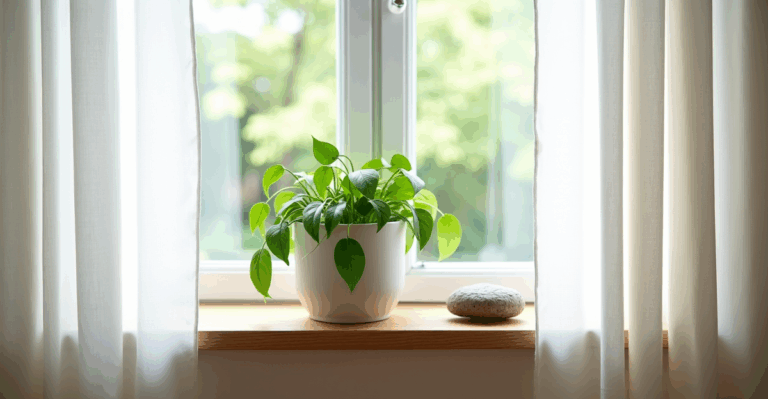
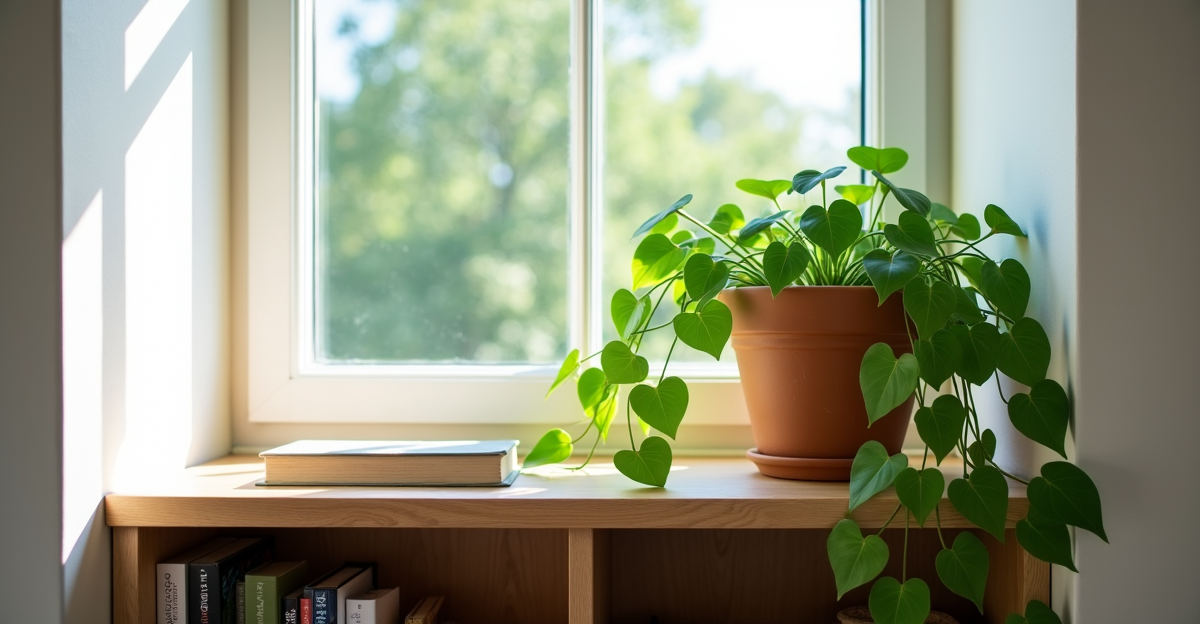
That north-facing window you’ve been ignoring? The one that feels perpetually shadowed, perfect for a bookshelf but seeming too dim for plants? I’ve been there. My first apartment had a tiny, dark bedroom window where I’d nearly given up on my pothos—until I stopped treating it like a sun-lover and started working with the light it actually got. Now, its vines cascade over my bookshelf like a green waterfall, and it’s thriving. That’s the magic of understanding your space, not just chasing generic “low-light” advice. Pothos (Epipremnum aureum) is a superstar for these spots, but it doesn’t just survive—it thrives when you match its care to the reality of your window’s quality, not some textbook ideal.
Forget the myth that low light means zero water. The truth is, north-facing light is cool, consistent, and indirect—it’s gentle, not harsh. But because it’s dim, your pothos grows slower, uses less water, and can easily sit in soggy soil. Overwatering is the #1 killer here, not under-watering. The key isn’t just how much water you give, but when and how you give it—especially since the potting mix and planter type directly impact drying time.
Watering Without Guesswork (Because “Low Light = Less Water” is a Trap)
Most people wait until the top inch of soil is dry before watering their north-facing pothos. That’s a recipe for root rot. With low light, the top 2–3 inches need to dry out completely. I learned this the hard way when my pothos started yellowing after a few weeks of “cautious” watering. The soil felt damp on the surface, but the roots were sitting in water.
How it works:
North-facing windows often have lower humidity, especially in winter. That means soil dries slower than in a sunny, airy room. A standard plastic pot holds moisture longer than terracotta, and a tight soil mix (like dense potting soil) won’t dry out like one with perlite or pumice. Your test: Stick your finger in the soil up to the second knuckle. If it feels cool, damp, or leaves moisture on your finger, wait. If it’s dry and crumbly, it’s time. If you’ve added LECA (clay pebbles) or PON (clay pellets), the soil will feel drier at the surface but still moist below—adjust your finger test accordingly.
Real talk: Self-watering pots are a no-go here. They promise “set it and forget it,” but north-facing plants need that soil to dry out between waterings. A self-watering pot will keep the roots wet, and they’ll rot. Stick with a standard pot with drainage holes, and use a potting mix with 20–30% perlite or pumice for better airflow.
The Perfect Potting Mix (Not Just “Soil”)
Pothos love a loose, well-draining mix. Forget the heavy, moisture-retentive soil that comes in most nursery pots—it’s the enemy of north-facing success. We use a simple 50/50 mix of cactus soil (or standard potting mix) and pumice or perlite. Pumice holds some moisture but drains quickly, which is perfect for slow-drying north light. Perlite is lighter and dries even faster—ideal for winter when humidity drops.
Why this matters: In my north-facing bathroom (with low humidity and a single window), I switched from dense soil to pumice-heavy mix. The difference was immediate: no more soggy roots, and the plant started sending out new leaves within a month. If you’ve tried repotting before and the plant wilted, you might have used a mix that dried too fast (like pure perlite) in a small pot. Stick to that 50/50 ratio.
Styling for Depth (Without Sacrificing Light)
North-facing windows often feel flat or small. Pothos is a natural for creating visual depth. Instead of placing the pot directly on the windowsill, elevate it—use a small riser, a stack of books, or a decorative tray. This lets light reach the plant from below, not just the top. For a bedroom or living room, hang a trailing pothos in a macramé hanger above the window. The vine will drape down, catching even the faintest light and creating a soft, layered effect.
Pro tip: Place the pot slightly away from the window frame. It might seem counterintuitive, but it avoids the cold, drafty spot right by the glass. A few inches of space lets the light diffuse naturally, reducing the risk of chilling the roots in winter.
Troubleshooting the “Pothos Is Sad” Syndrome
Symptom: Leaves turning yellow at the base, drooping, or developing brown tips.
Likely cause: Overwatering (even if the top feels dry).
Fix: Check the soil moisture 100% (use your finger!). If it’s damp, wait. If it’s dry, water thoroughly until it drains out the bottom. Never water on a schedule—go by the soil. If you’ve repotted, ensure the new pot has drainage holes. If yellowing persists, trim the affected leaves and cut back watering.
Symptom: Growth is slow, and leaves are small.
Likely cause: Too little light or low humidity.
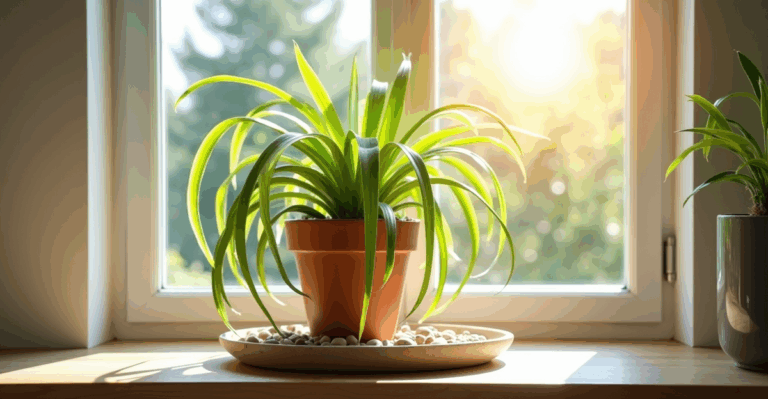
Fix: Move the plant closer to the window (but not directly on it—north light is cool, so it’s safe). If the window is very dark (like a basement window), add a simple LED grow light for 4–6 hours daily. For humidity, place the pot on a tray of pebbles with water (not touching the pot) or group plants together. Pothos tolerates dry air, but it’s happier with 40–60% humidity.
Why Your Planter Choice Matters (Even When It Seems Small)
The pot isn’t just a container—it’s a tool for managing moisture. A heavy ceramic pot holds moisture longer than lightweight plastic, which can be great for south-facing windows but risky for north. A porous terracotta pot dries out too fast in cool, dim spaces, leading to frequent underwatering.
The sweet spot: A medium-weight, porous pot (like stoneware or terracotta with a glaze) that dries slowly but not too slowly. If you’re using a self-watering pot (which we don’t recommend), it’s a trade-off: convenience vs. root rot risk. For north light, the risk outweighs the reward.
How 3D-printed planters help: They’re designed for real indoor spaces. Their lightweight, durable structure fits perfectly on narrow shelves or in tight corners without weighing down your window ledge. The smooth, modern finish complements minimalist decor, and the drainage holes are precisely placed to prevent water buildup. Plus, the shapes—like a subtle curve or a tapered base—make the plant look intentional, not just “stuck in a pot.”
The Seasonal Shift (Winter vs. Summer)
Winter is the biggest challenge for north-facing windows. Sunlight is weaker, humidity drops (especially with heating), and plants grow slower. Adjust watering to match: Wait a full 2–3 weeks between waterings, even if it feels dry on the surface. In summer, the light is stronger (though still indirect), so you might water every 7–10 days. Always check the soil, not the calendar.
Edge case: If your north-facing window has a very small glass area (like a small bathroom window), the light might be too weak for pothos. In that case, add a low-wattage LED grow light (like a 10–15W bulb) on a timer for 4–6 hours daily. It’s a small investment for a huge payoff.
Why This All Works (The Simplicity)
Pothos is forgiving, but it’s not magic. Working with your window’s natural light—instead of against it—means less stress for you and your plant. The care is straightforward: let the soil dry completely between waterings, use the right mix, and place the plant where light can reach it. Styling becomes effortless when you focus on what works, not what looks “perfect” on Instagram.
Key Takeaways
– Water pothos only when the top 2–3 inches of soil are dry (not just the surface).
– Use a loose potting mix with pumice/perlite—never dense soil or self-watering pots.
– Elevate or hang the plant to maximize light access without cold drafts.
We use these in our own setups, and they’re a joy to style—explore our 3D-printed planters.